What Homeowners Should Know About Radon Mitigation in York PA
When I bought my first house in York PA back in 2008, radon was the last thing on my mind. The inspection report mentioned it briefly, but I figured it was just another checkbox on a long list of disclosures. It wasn't until a neighbor mentioned her mitigation system and the manometer in her basement that I started paying attention. Over the years, I have worked alongside certified radon mitigators and watched the science of radon reduction evolve. If you own a home in this region, understanding radon and what it takes to fix it is not just a good idea. It is the kind of knowledge that protects your family's health and your property value.
Why Radon Is a Real Concern in York PA
Radon is a radioactive gas that comes from the natural decay of uranium in soil and rock. It moves up through the ground and enters homes through cracks in foundations, gaps around pipes, and even through the pores in concrete slabs. The geology of York PA, with its mix of limestone, shale, and granite, makes many neighborhoods prone to elevated radon levels. The EPA has classified York County as a Zone 1 area, meaning the average indoor radon level is predicted to exceed the action level of 4 picocuries per liter. That is the highest risk category.
I have seen test results from homes just a few blocks apart vary wildly. One house might show 2 pCi/L while its neighbor registers 12 pCi/L. That variability is why the Pennsylvania Department of Environmental Protection encourages every homeowner to test, regardless of what the neighbor's reading was. Radon is invisible and odorless, so you cannot detect it without proper testing. The only way to know your level is to perform a short-term radon test or a long-term radon test. Short-term tests last two to seven days and give a quick snapshot. Long-term tests run for 90 days or more and provide a more accurate average. For a first screening, a short-term test is usually the right starting point, especially if you are planning to sell or buy.
How Radon Testing Works and What to Look For
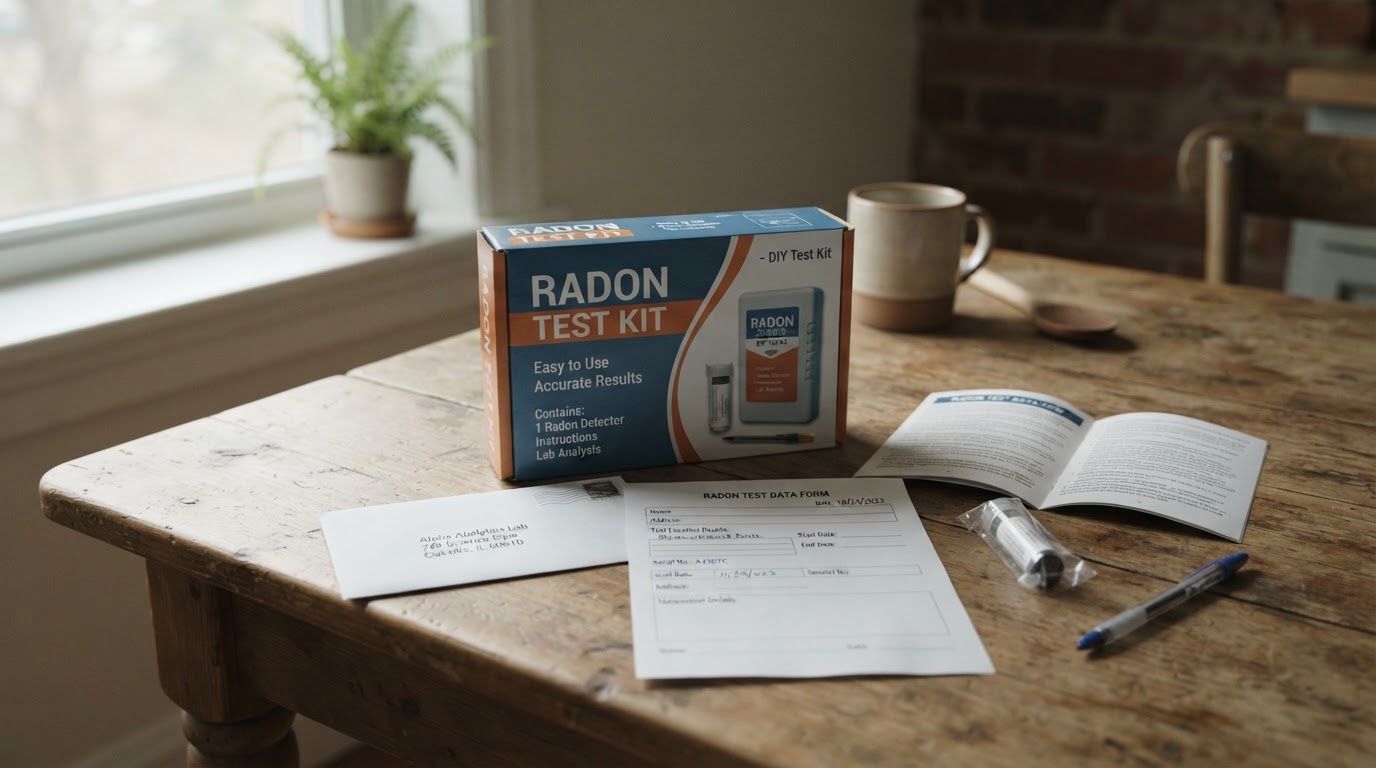
You can buy a radon test kit at a hardware store or order one online. Some local health departments also offer them at low cost. The kit typically includes a small charcoal canister or a continuous radon monitor that you place in the lowest livable level of your home. You leave it undisturbed for the specified time, then mail it to a lab for analysis. Results come back in a few days. If the level is 4 pCi/L or higher, the EPA recommends taking action.
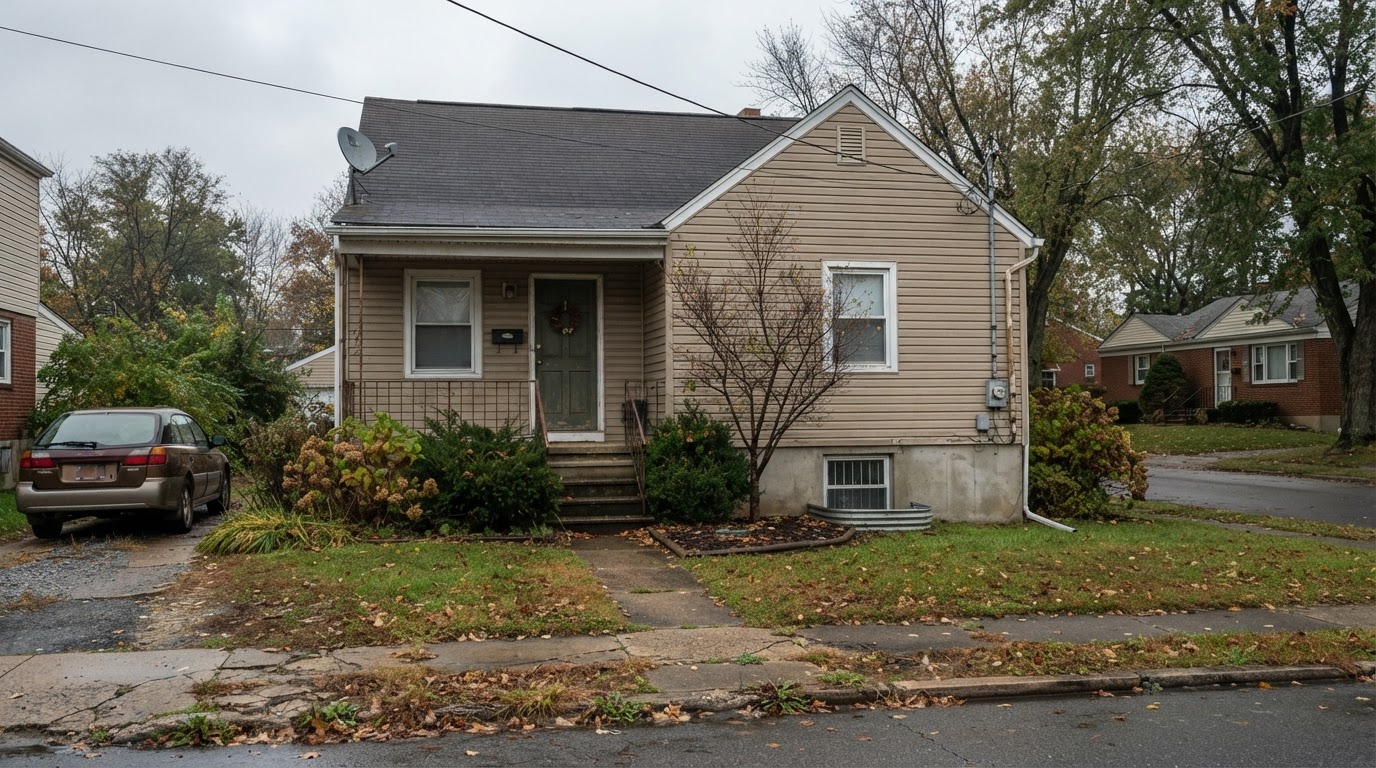
I remember a family in Springettsbury Township who tested their finished basement and got a result of 8.3 pCi/L. They were shocked because the house was only ten years old. That is a common misconception. Newer construction does not automatically protect you from radon. Radon-resistant construction techniques, such as sealing the slab and installing a layer of gravel beneath it, can help, but they are not foolproof. Over time, foundation settling and new cracks can create entry points. Even a well-sealed house can have elevated radon if the soil underneath is rich in uranium.
If your test comes back high, do not panic. Radon mitigation is a proven, cost-effective process. The key is hiring a certified radon mitigator who understands the local geology and building styles. In York PA, the National Radon Proficiency Program and the American Association of Radon Scientists and Technicians both maintain lists of qualified professionals. A reputable mitigator will perform a diagnostic test to identify the primary entry routes and then design a system tailored to your home.
The Most Common Radon Reduction System: Active Soil Depressurization
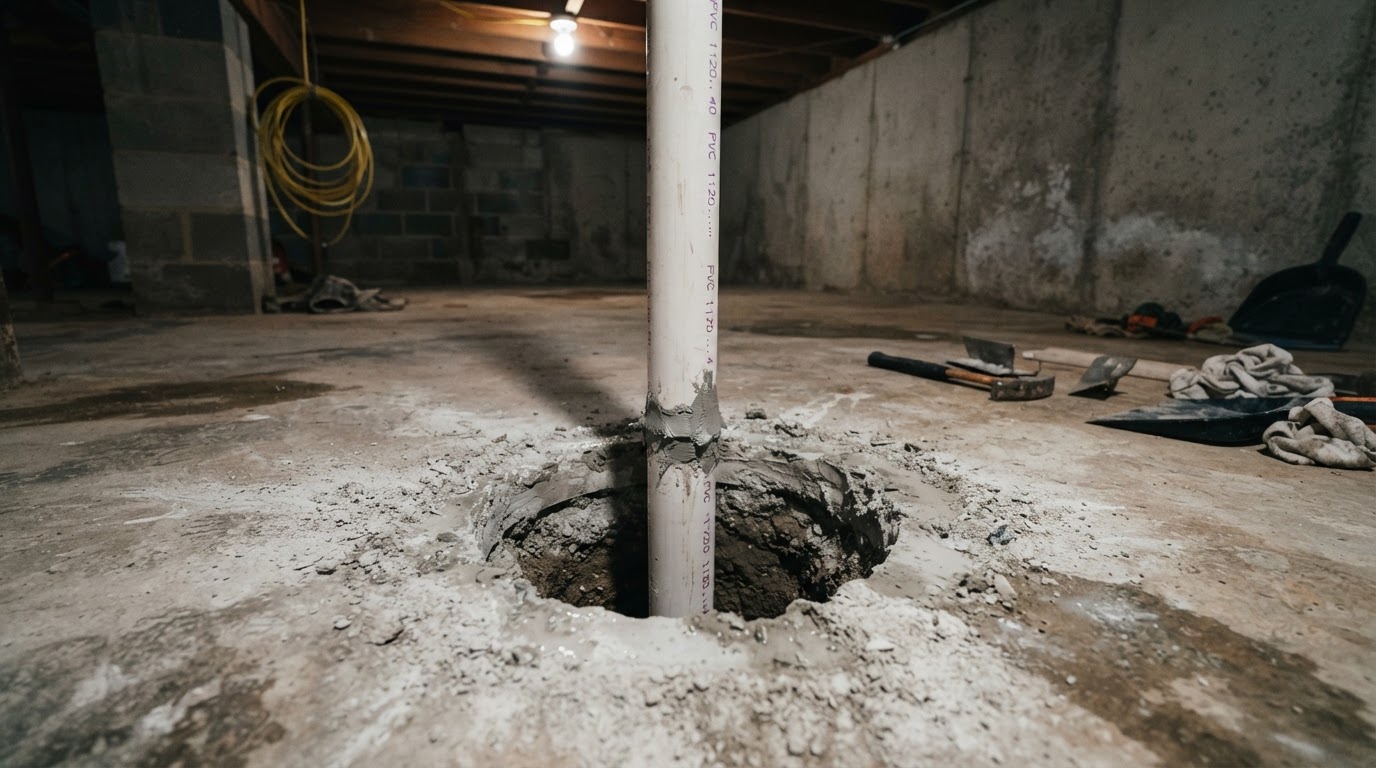
The gold standard for radon mitigation in York PA is active soil depressurization, often called sub-slab depressurization or soil suction. The concept is simple. A pipe is inserted through the basement floor into the gravel layer beneath the slab. A radon fan mounted outside the living space creates a vacuum that pulls the gas from under the house and vents it safely above the roofline. The fan runs continuously, and the system includes a manometer, which is a small gauge that shows whether the system is working. If the manometer fluid is level, you know the fan is off or the system has a leak.
I have watched these systems being installed, and the process is straightforward but requires precision. The contractor drills a small hole in the slab, digs out a pocket of gravel, and sets the pipe in place. They seal the opening around the pipe with a high-quality sealant to prevent air from leaking back into the house. The pipe runs up the side of the house and terminates at least 10 feet above ground level. The fan itself is usually installed in the attic or on the exterior wall. It is not noisy. You barely notice it running.
In some homes, especially those with crawlspaces or dirt floors, a different approach called sub-membrane depressurization is used. A heavy plastic sheet is laid over the soil and sealed to the walls. The fan pulls air from beneath the sheet, creating a barrier that stops radon from entering. Both methods are highly effective when installed correctly. I have seen reductions from over 20 pCi/L down to below 1 pCi/L. The cost typically ranges from $800 to $2,500 depending on the complexity of the installation. That might sound steep, but compare it to the health risks of long-term exposure. The EPA estimates that radon causes more than 20,000 lung cancer deaths per year in the United States.
What to Expect from a Radon Mitigation Professional
When you contact a certified radon mitigator, they should first ask about your test results and the layout of your home. They may perform their own confirmatory test before starting work. A good mitigator will explain the options, the estimated cost, and the expected reduction. They should also provide a warranty on the system and a post-mitigation test to verify it is working. If the post-test shows levels still above 4 pCi/L, they should adjust the system at no additional charge.
I have seen homeowners try to save money by sealing cracks themselves or running a fan in the basement. Those efforts rarely work. Sealing alone is not enough because radon can enter through invisible pathways. A fan blowing inside the house does not create the necessary pressure differential. Real radon mitigation requires a professional who understands airflow and pressure dynamics. The National Radon Proficiency Program and the American Association of Radon Scientists and Technicians provide rigorous training and certification. Look for those credentials when choosing a contractor.
Maintaining Your Radon Reduction System
Once your radon reduction system is installed, maintenance is minimal. Check the manometer once a month to make sure the fan is running. If the fluid is uneven, the system is working. If it is level, call your mitigator. Also, listen for changes in fan noise. A sudden increase in sound could mean the fan is failing or a blockage has occurred. Most fans are rated to last five to ten years, and replacement is inexpensive. Keep the area around the suction point clear of debris and do not seal off the pipe.
I recommend retesting your home every two years or after any major renovation. Foundation work, new flooring, or changes to the HVAC system can affect radon entry. A continuous radon monitor can give you real-time data if you are curious, but a simple test kit is sufficient for periodic checks. The Pennsylvania Department of Environmental Protection offers free test kits to residents in certain counties. Check their website or call your local extension office.
Final Thoughts on Radon Mitigation in York PA
Radon is not a problem you can ignore and hope it goes away. It is a natural phenomenon, and the only way to manage it is through testing and, if needed, professional mitigation. For homeowners in this area, radon mitigation York PA is not a luxury. It is a responsible step toward protecting your indoor air quality. I have seen families breathe easier after a system was installed, both literally and figuratively. The peace of mind that comes from knowing your home is safe is worth the investment.
If you have not tested your home yet, do it this week. If your test comes back high, call a certified radon mitigator. The process is straightforward, the cost is reasonable, and the results are measurable. Your home should be a place of comfort, not a source of hidden risk. Radon mitigation York PA professionals have the tools and experience to make that happen. All you have to do is take the first step.